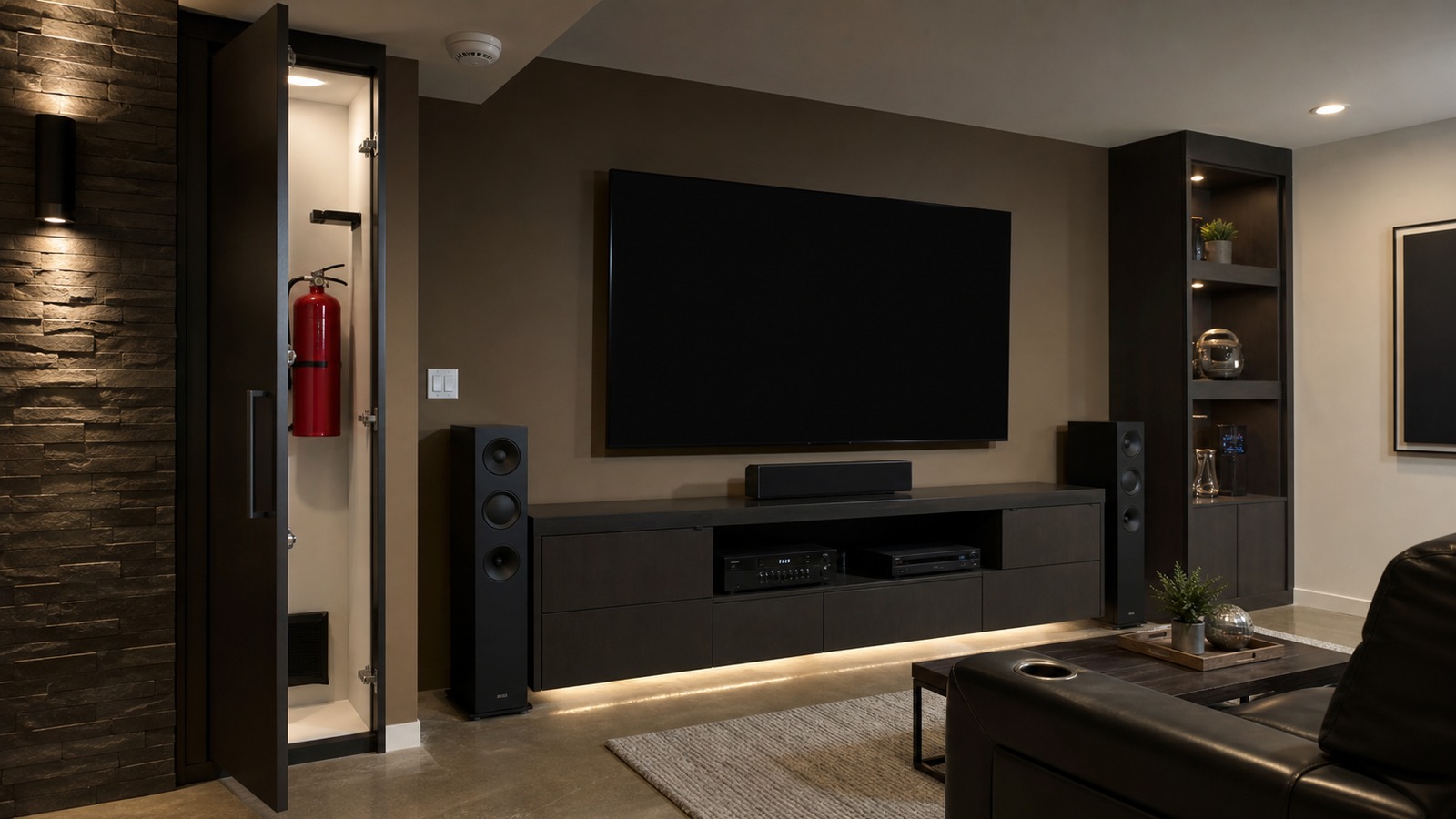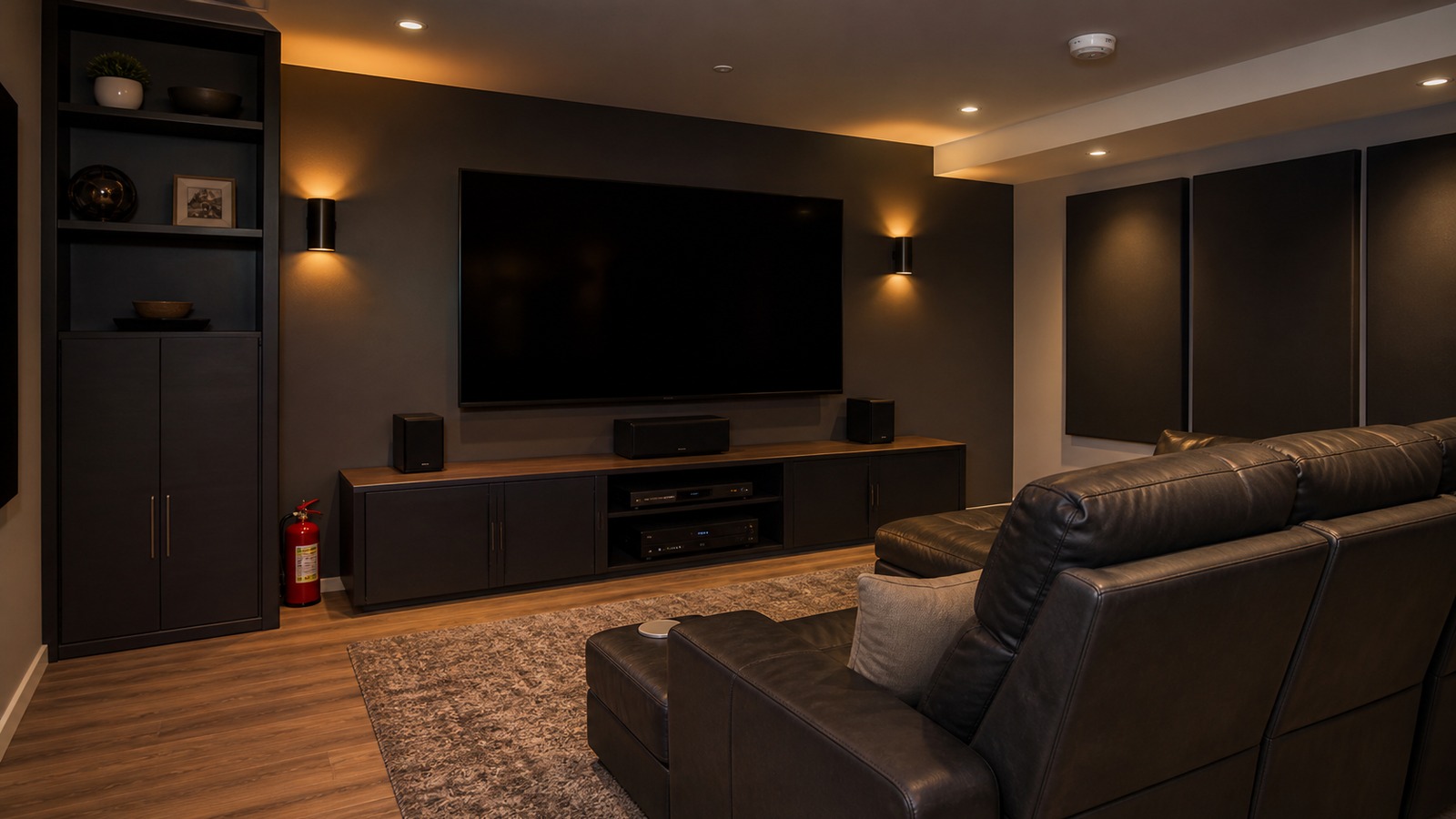
Essential Mancave Safety Features Every Owner Should Install works best when essential safety features decisions are tied to real habits. Essential Safety Features planning starts with who uses the space, what essential tasks happen most, and how safety comfort should feel after a long session. The goal is a mancave that handles features details cleanly while still feeling personal, durable, and easy to reset.
A: Begin with the way the room will be used most often, then make layout, lighting, storage, and gear choices support that habit.
A: The biggest improvement is giving everyday items close storage and leaving the main walkway visually quiet.
A: Plan seating depth, temperature, glare, sound, and reach zones together instead of treating them as separate finishing details.
A: Handle power, airflow, cable paths, mounting, and durable surfaces before buying pieces that only change the look.
A: Use a qualified pro for electrical changes, structural work, ventilation problems, built-ins, heavy mounts, or complex equipment installs.
A: If people cannot enter, sit, stand, open storage, and clean up without shifting around furniture, the plan needs editing.
A: Exact fit, repeated materials, hidden utilities, clear zones, and a restrained focal point usually create the custom impression.
A: Yes, if the layout protects the main activity, uses flexible furniture, and avoids oversized pieces that swallow the room.
A: Check dimensions, power needs, ventilation, cable access, viewing angles, service space, and how the item will be stored or cleaned.
A: Imagine hosting, relaxing, cleaning, and troubleshooting in the room; choices that fail those scenarios should be adjusted.
Essential Safety Features Purpose and Priorities
Essential Safety Features purpose choices should begin with essential behavior, because essential safety features comfort depends on how people actually use the room. Essential Safety Features daily routine planning gives the space a practical center before expensive details enter the conversation. Essential Safety Features main activity decisions then become easier to judge, because every option has to support the same clear purpose.
Essential Safety Features daily routine checks should include the awkward moments that polished photos rarely show. Essential Safety Features users still need to stand, reach, carry snacks, open cabinets, adjust gear, and clean around furniture. Essential Safety Features planning feels more custom when those ordinary motions happen smoothly instead of forcing people to work around the design.
Essential Safety Features main activity details should stay flexible enough for future habits. Essential Safety Features upgrades, extra guests, new equipment, or changing hobbies can all pressure a finished space. Essential Safety Features decisions that leave access, open wall area, and spare utility capacity make the mancave easier to keep useful.
Essential Traffic and Reach
Essential Safety Features traffic choices should begin with essential behavior, because essential safety features comfort depends on how people actually use the room. Essential Safety Features doorway path planning gives the space a practical center before expensive details enter the conversation. Essential Safety Features reach zone decisions then become easier to judge, because every option has to support the same clear purpose.
Essential Safety Features doorway path checks should include the awkward moments that polished photos rarely show. Essential Safety Features users still need to stand, reach, carry snacks, open cabinets, adjust gear, and clean around furniture. Essential Safety Features planning feels more custom when those ordinary motions happen smoothly instead of forcing people to work around the design.
Essential Safety Features reach zone details should stay flexible enough for future habits. Essential Safety Features upgrades, extra guests, new equipment, or changing hobbies can all pressure a finished space. Essential Safety Features decisions that leave access, open wall area, and spare utility capacity make the mancave easier to keep useful.
Essential Safety Features Seating and Viewing
Essential Safety Features seating choices should begin with essential behavior, because essential safety features comfort depends on how people actually use the room. Essential Safety Features viewing angle planning gives the space a practical center before expensive details enter the conversation. Essential Safety Features conversation decisions then become easier to judge, because every option has to support the same clear purpose.
Essential Safety Features viewing angle checks should include the awkward moments that polished photos rarely show. Essential Safety Features users still need to stand, reach, carry snacks, open cabinets, adjust gear, and clean around furniture. Essential Safety Features planning feels more custom when those ordinary motions happen smoothly instead of forcing people to work around the design.
Essential Safety Features conversation details should stay flexible enough for future habits. Essential Safety Features upgrades, extra guests, new equipment, or changing hobbies can all pressure a finished space. Essential Safety Features decisions that leave access, open wall area, and spare utility capacity make the mancave easier to keep useful.
Safety Storage and Reset
Essential Safety Features storage choices should begin with essential behavior, because essential safety features comfort depends on how people actually use the room. Essential Safety Features cleanup rhythm planning gives the space a practical center before expensive details enter the conversation. Essential Safety Features access decisions then become easier to judge, because every option has to support the same clear purpose.
Essential Safety Features cleanup rhythm checks should include the awkward moments that polished photos rarely show. Essential Safety Features users still need to stand, reach, carry snacks, open cabinets, adjust gear, and clean around furniture. Essential Safety Features planning feels more custom when those ordinary motions happen smoothly instead of forcing people to work around the design.
Essential Safety Features access details should stay flexible enough for future habits. Essential Safety Features upgrades, extra guests, new equipment, or changing hobbies can all pressure a finished space. Essential Safety Features decisions that leave access, open wall area, and spare utility capacity make the mancave easier to keep useful.
Essential Safety Features Lighting Decisions
Essential Safety Features lighting choices should begin with essential behavior, because essential safety features comfort depends on how people actually use the room. Essential Safety Features scene control planning gives the space a practical center before expensive details enter the conversation. Essential Safety Features glare decisions then become easier to judge, because every option has to support the same clear purpose.
Essential Safety Features scene control checks should include the awkward moments that polished photos rarely show. Essential Safety Features users still need to stand, reach, carry snacks, open cabinets, adjust gear, and clean around furniture. Essential Safety Features planning feels more custom when those ordinary motions happen smoothly instead of forcing people to work around the design.
Essential Safety Features glare details should stay flexible enough for future habits. Essential Safety Features upgrades, extra guests, new equipment, or changing hobbies can all pressure a finished space. Essential Safety Features decisions that leave access, open wall area, and spare utility capacity make the mancave easier to keep useful.
Features Materials and Surfaces
Essential Safety Features surfaces choices should begin with essential behavior, because essential safety features comfort depends on how people actually use the room. Essential Safety Features wear pattern planning gives the space a practical center before expensive details enter the conversation. Essential Safety Features material feel decisions then become easier to judge, because every option has to support the same clear purpose.
Essential Safety Features wear pattern checks should include the awkward moments that polished photos rarely show. Essential Safety Features users still need to stand, reach, carry snacks, open cabinets, adjust gear, and clean around furniture. Essential Safety Features planning feels more custom when those ordinary motions happen smoothly instead of forcing people to work around the design.
Essential Safety Features material feel details should stay flexible enough for future habits. Essential Safety Features upgrades, extra guests, new equipment, or changing hobbies can all pressure a finished space. Essential Safety Features decisions that leave access, open wall area, and spare utility capacity make the mancave easier to keep useful.
Essential Safety Features Power and Airflow
Essential Safety Features power choices should begin with essential behavior, because essential safety features comfort depends on how people actually use the room. Essential Safety Features airflow planning gives the space a practical center before expensive details enter the conversation. Essential Safety Features service access decisions then become easier to judge, because every option has to support the same clear purpose.
Essential Safety Features airflow checks should include the awkward moments that polished photos rarely show. Essential Safety Features users still need to stand, reach, carry snacks, open cabinets, adjust gear, and clean around furniture. Essential Safety Features planning feels more custom when those ordinary motions happen smoothly instead of forcing people to work around the design.
Essential Safety Features service access details should stay flexible enough for future habits. Essential Safety Features upgrades, extra guests, new equipment, or changing hobbies can all pressure a finished space. Essential Safety Features decisions that leave access, open wall area, and spare utility capacity make the mancave easier to keep useful.
Essential Sound and Comfort
Essential Safety Features sound choices should begin with essential behavior, because essential safety features comfort depends on how people actually use the room. Essential Safety Features temperature planning gives the space a practical center before expensive details enter the conversation. Essential Safety Features long-session comfort decisions then become easier to judge, because every option has to support the same clear purpose.
Essential Safety Features temperature checks should include the awkward moments that polished photos rarely show. Essential Safety Features users still need to stand, reach, carry snacks, open cabinets, adjust gear, and clean around furniture. Essential Safety Features planning feels more custom when those ordinary motions happen smoothly instead of forcing people to work around the design.
Essential Safety Features long-session comfort details should stay flexible enough for future habits. Essential Safety Features upgrades, extra guests, new equipment, or changing hobbies can all pressure a finished space. Essential Safety Features decisions that leave access, open wall area, and spare utility capacity make the mancave easier to keep useful.
Essential Safety Features Upgrade Sequence
Essential Safety Features budget choices should begin with essential behavior, because essential safety features comfort depends on how people actually use the room. Essential Safety Features upgrade order planning gives the space a practical center before expensive details enter the conversation. Essential Safety Features future capacity decisions then become easier to judge, because every option has to support the same clear purpose.
Essential Safety Features upgrade order checks should include the awkward moments that polished photos rarely show. Essential Safety Features users still need to stand, reach, carry snacks, open cabinets, adjust gear, and clean around furniture. Essential Safety Features planning feels more custom when those ordinary motions happen smoothly instead of forcing people to work around the design.
Essential Safety Features future capacity details should stay flexible enough for future habits. Essential Safety Features upgrades, extra guests, new equipment, or changing hobbies can all pressure a finished space. Essential Safety Features decisions that leave access, open wall area, and spare utility capacity make the mancave easier to keep useful.
Safety Finish and Long-Term Use
Essential Safety Features finish choices should begin with essential behavior, because essential safety features comfort depends on how people actually use the room. Essential Safety Features personality planning gives the space a practical center before expensive details enter the conversation. Essential Safety Features reset routine decisions then become easier to judge, because every option has to support the same clear purpose.
Essential Safety Features personality checks should include the awkward moments that polished photos rarely show. Essential Safety Features users still need to stand, reach, carry snacks, open cabinets, adjust gear, and clean around furniture. Essential Safety Features planning feels more custom when those ordinary motions happen smoothly instead of forcing people to work around the design.
Essential Safety Features reset routine details should stay flexible enough for future habits. Essential Safety Features upgrades, extra guests, new equipment, or changing hobbies can all pressure a finished space. Essential Safety Features decisions that leave access, open wall area, and spare utility capacity make the mancave easier to keep useful.